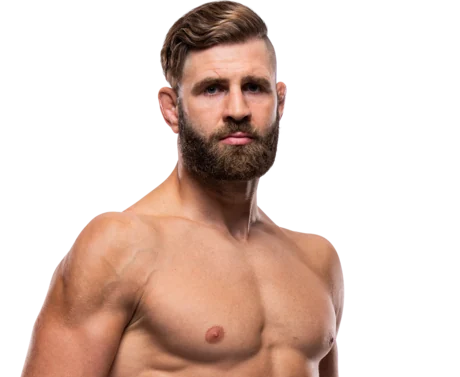
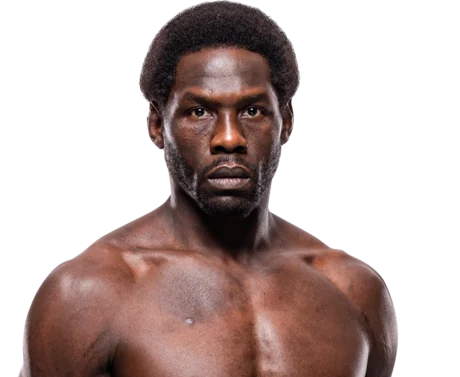
 Procházka
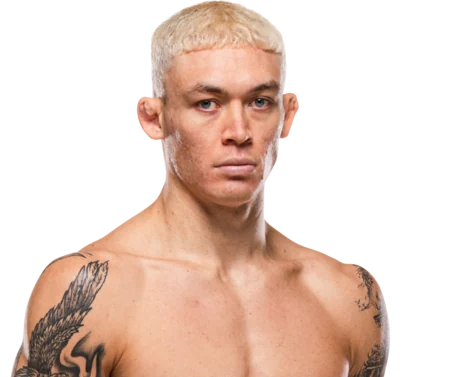
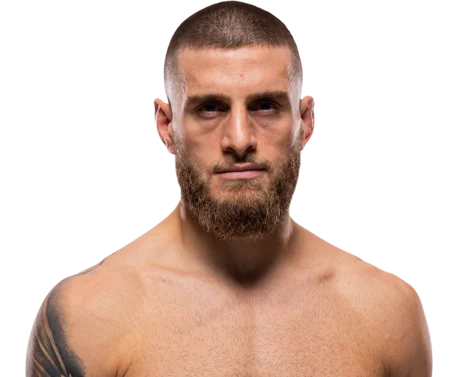
 Stirling

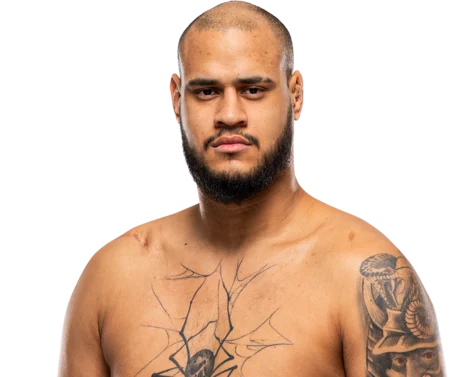
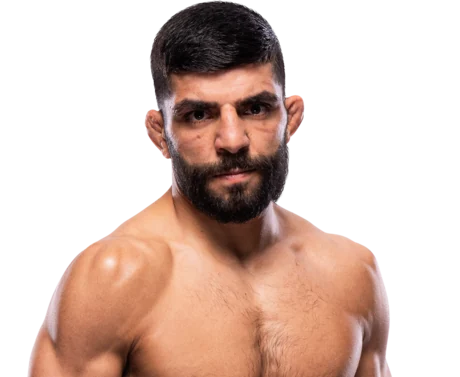
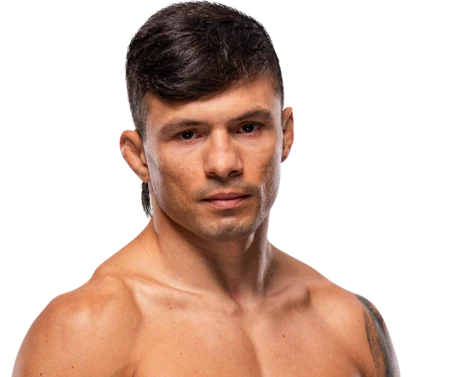
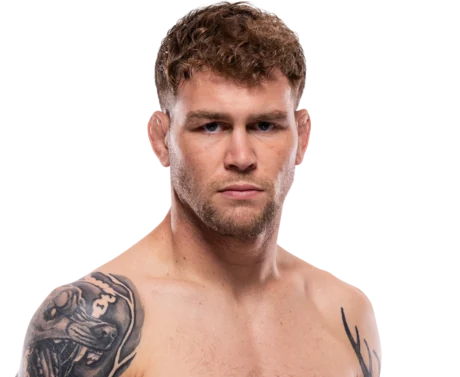
Simulation report
Why Glass Jaw picks Stirling in round four
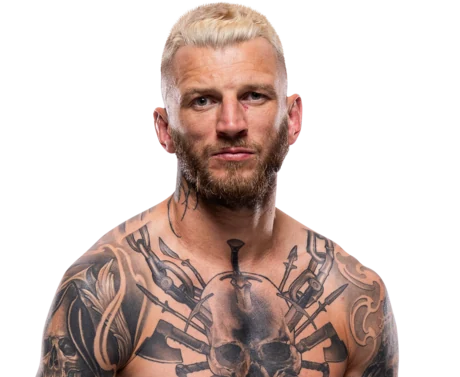
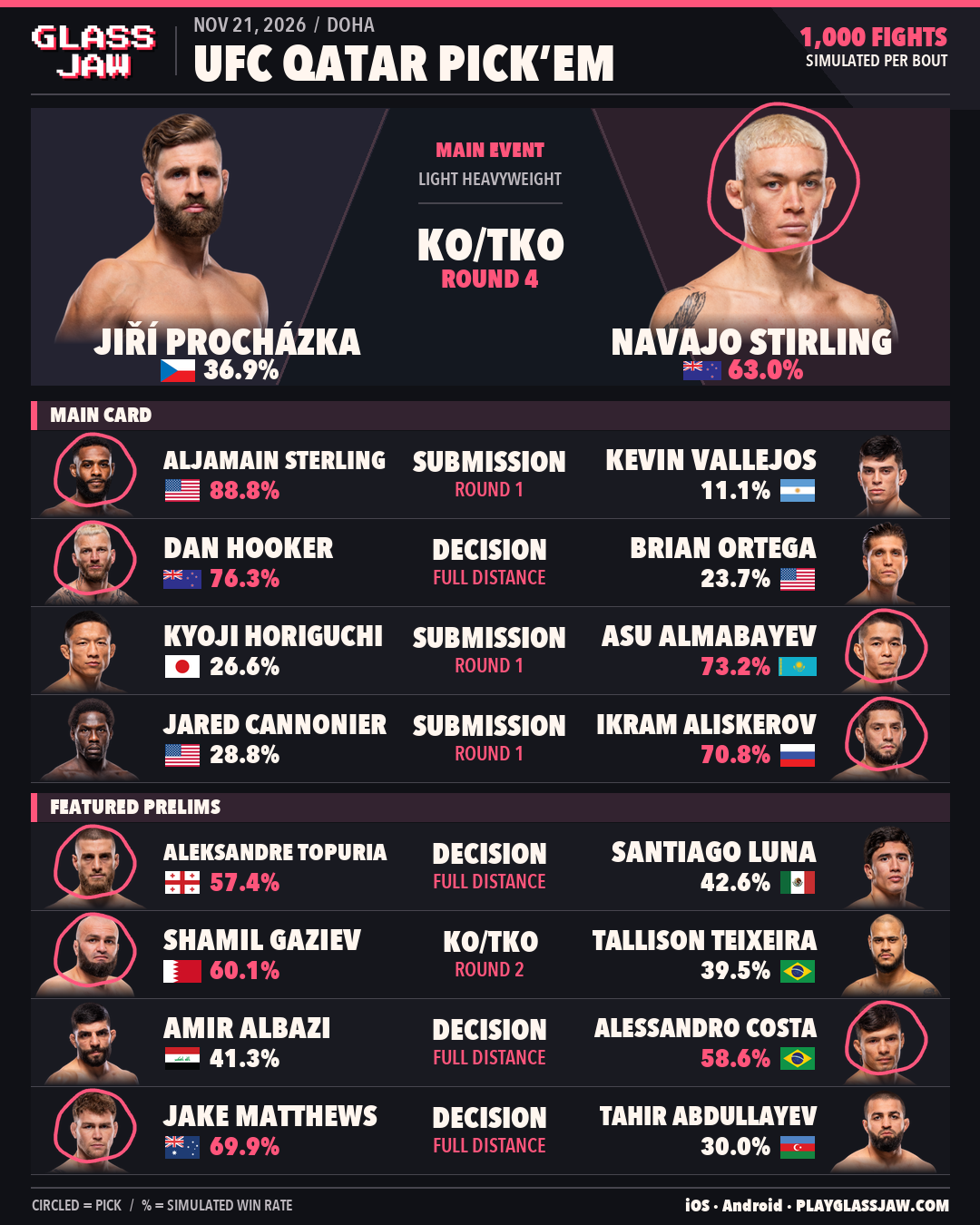
Navajo Stirling won 630 of 1,000 simulations of the UFC Qatar main event. The Glass Jaw build backed his jab and leg kick against Jiří Procházka’s more explosive offense. Both fighters won mostly by stoppage, and only 60 of the 1,000 fights produced a decision winner.
Stirling’s edge showed up in the championship rounds
Both light heavyweights had boxing set to 65% of their choices at range. Procházka brought a mastered overhand and spinning elbow. Stirling’s jab and leg kick gave him a steadier route through the same kind of fight. Stirling won by KO or TKO 592 times, with Round 4 his most frequent stoppage round. Procházka still won by KO or TKO 347 times.
The strongest picks had a clear route to the ground
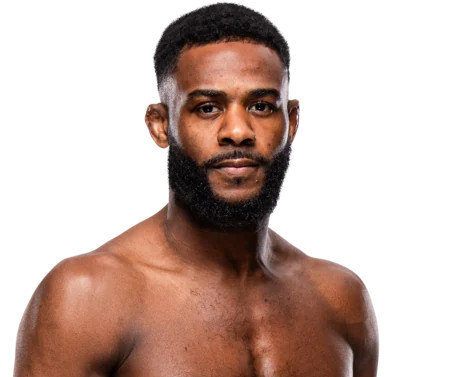
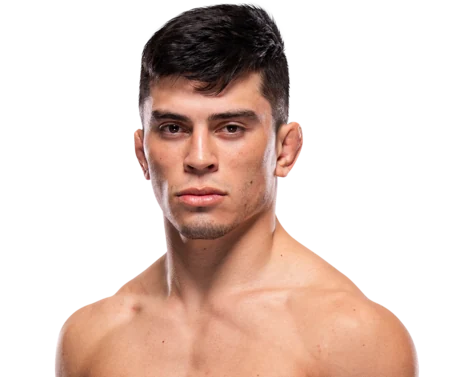
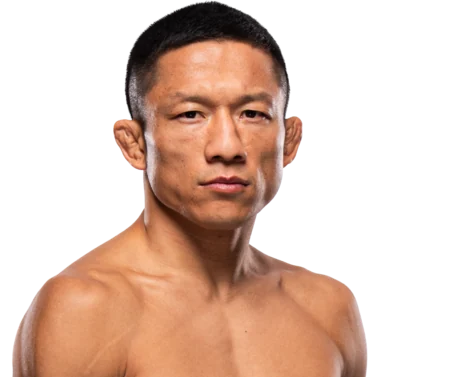
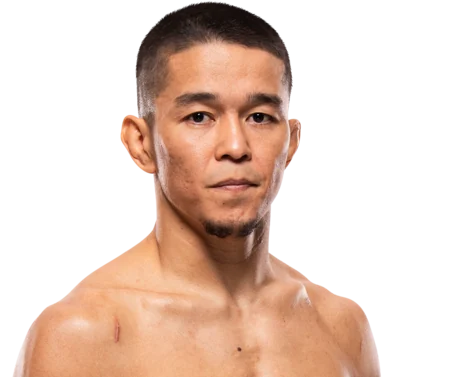
Aljamain Sterling recorded 707 submissions against Kevin Vallejos, the most by one fighter on the card. Asu Almabayev submitted Kyoji Horiguchi 635 times, and Ikram Aliskerov submitted Jared Cannonier 529 times. Their opponents brought different strengths on the feet. In each of these three matchups, the leading build had a reliable way to bring its strongest skills into play.
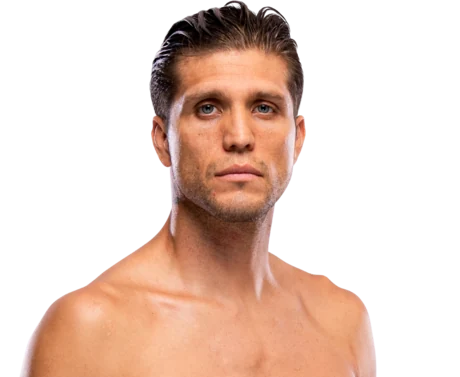
Brian Ortega shows the other side of that. His build has a 99 Chokes rating, and 210 of his 237 wins over Dan Hooker came by submission. With shooting at 5% of his range choices, Ortega rarely started with his most dangerous option. Hooker won 384 decisions and 379 stoppages, a difference of just five fights.
How we ran the fights
We recreated 18 fighters from their pre-event records and styles, then ran each pairing 1,000 times in the Glass Jaw engine. The builds and the results below show what the game made of those stylistic matchups. Win rates include draws in the total. Each fighter started at full condition and spent half the runs in each corner. We used Glass Jaw rules 105. A finish call shows the most frequent round for the picked fighter’s most frequent winning method.
Official event listing · Download all simulation results (CSV)